

 5 Star Service




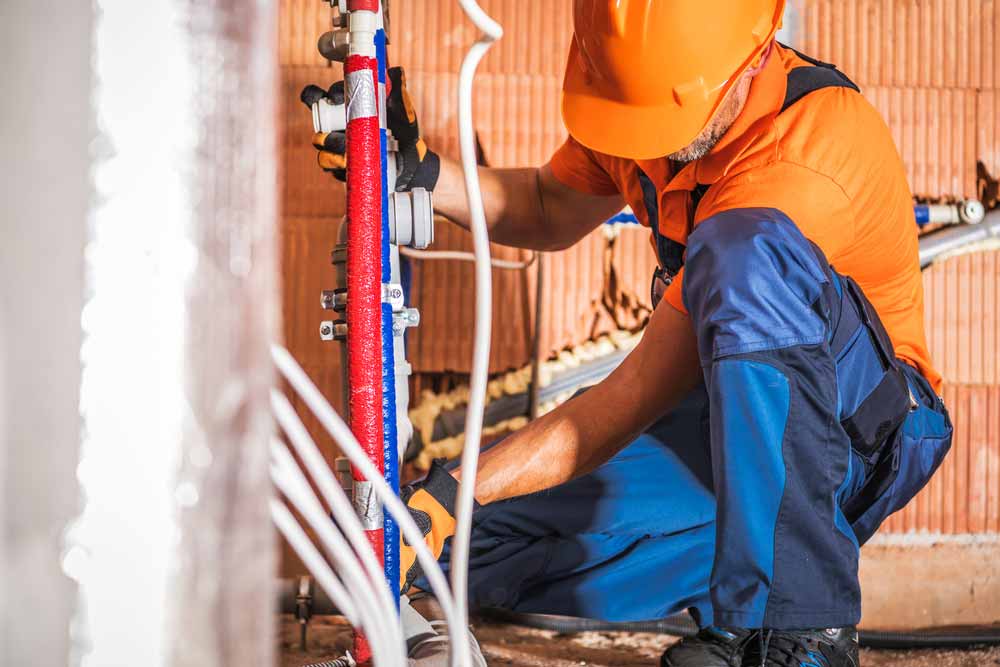
A plumbing issue in a commercial building rarely stays a small problem. A slow leak behind a cafe wall becomes a closure notice. A blocked floor waste in an office bathroom becomes a frantic Monday morning. The difference between a quiet maintenance call and a costly emergency is almost always how often the system gets looked at.
This guide covers what regular commercial plumbing maintenance involves, what it prevents, and how Gold Coast property owners and managers can plan it without blowing the budget.
The Consequences Of Neglecting Commercial Plumbing Maintenance
Costly Repairs And Property Damage
Plumbing problems left unaddressed escalate quickly. A small leak behind a wall can lead to water damage, mould growth, and even structural damage and the longer it goes unnoticed, the more it costs to fix. Regular maintenance and leak detection catch these issues at the cheap-fix stage, often saving thousands compared to the cost of an emergency response and the trading days lost while repairs are made.
Health And Safety Risks
Commercial plumbing issues carry real health risks for staff and customers. Poor drainage creates standing water, which becomes a breeding ground for bacteria and pests. Sewage backups bring foul odours, potential pathogens, and, in food premises, an immediate health-inspector problem. Annual backflow prevention testing is legally required for a reason: it protects the public water supply from contamination.
Regular maintenance keeps these systems compliant and the environment safe.
Disruptions In Business Operations
A plumbing emergency in a commercial setting isn’t just inconvenient, it’s trading-day-ending. A burst pipe can shut down a kitchen for the lunch service. A blocked drain can close a bathroom block during business hours. A failed hot water system can force a tenant evacuation.
Regular maintenance prevents these emergencies and keeps the business operating without unscheduled downtime.
The Benefits Of Regular Commercial Plumbing Maintenance
Extending The Lifespan Of Plumbing Systems
Regular maintenance significantly extends the working life of a commercial plumbing system. Pipe descaling prevents corrosion build-up. Routine flushing on hot water systems clears sediment that would otherwise burn out the element. Catching minor wear before it becomes a failure means components reach the end of their natural life instead of failing early. Over a 10-year horizon, that’s the difference between scheduled replacements and a string of unplanned capital expenses.
Maintaining Compliance With Regulations
Commercial plumbing in Queensland is subject to specific legal obligations: testable backflow prevention devices must be inspected annually by a licensed plumber under Australian Standard AS 2845, with results submitted to the local water authority. Grease traps must be serviced and documented for food premises. The Queensland Plumbing and Wastewater Code sets the baseline for the rest. Regular maintenance keeps a property compliant and protected from fines, forced shutdowns, and insurance complications.
Enhancing Efficiency And Sustainability
Regular maintenance can also help businesses enhance the efficiency of their plumbing systems. For example, fixing leaks can prevent water waste, while regular cleaning and inspections can help maintain optimal water pressure and flow. This can contribute to a more sustainable operation and potentially lower utility bills.
Partnering With A Trusted Commercial Plumbing Service Provider
Commercial plumbing systems need a service provider who can handle scheduled maintenance, respond fast in an emergency, and document everything for compliance. Oceanside Services has been providing commercial plumbing across the Gold Coast for over 25 years.
We offer a one-hour response service, 24/7, so a burst pipe or blocked drain doesn’t shut your business for a full trading day. Our technicians hold Blue Cards and undergo frequent police checks, important for properties with staff and customer access requirements.
For properties needing structured ongoing care, we run Asset Management and Scheduled Maintenance Programs that cover all plumbing devices. These suit body corporate managed buildings, real estate portfolios, and commercial tenancies where downtime isn’t an option.
Need a commercial plumber across Brisbane, the Gold Coast, or the Tweed Coast? Call Oceanside Services on 07 5520 7100 for a one-hour response, or get in touch online for a tailored maintenance plan quote.
Looking for general plumbing maintenance for a home or smaller property instead? Our guide on the importance of regular plumbing maintenance covers residential schedules and what to check yourself between visits.
Frequently Asked Questions
How often does a commercial property need plumbing maintenance?
Most commercial properties benefit from a quarterly schedule, with monthly visual checks handled by the building manager and annual certified testing for backflow and hot water systems. Higher-use properties (cafes, restaurants, gyms, medical centres) often need monthly professional visits.
Is backflow prevention testing actually required by law in Queensland?
Yes. Under Australian Standard AS 2845 and the Queensland Plumbing and Wastewater Code, testable backflow prevention devices must be inspected and tested annually by a licensed plumber endorsed for backflow work. Results must be submitted to your local water authority. Missing the annual test can trigger fines and, in serious cases, a water disconnection notice.
What’s the difference between commercial and residential plumbing?
Commercial plumbing handles higher water volumes, more complex fixture layouts, stricter compliance requirements (backflow, grease traps, trade waste), and faster wear from continuous use. The pipes look similar; the systems and obligations around them are very different.
Who is responsible for plumbing in a leased commercial property?
Responsibility splits between landlord and tenant and depends on the lease. As a general rule, structural plumbing (the building’s pipework, sewer connection, hot water system) is the landlord’s responsibility, and anything inside the tenant’s fit-out (sinks, dishwashers, fitted appliances) is the tenant’s. Always check the specific lease and, if in doubt, get a plumber to assess so the issue is documented before either party pays.
Can preventative maintenance actually save money?
Yes, and the maths usually isn’t close. Scheduled maintenance catches issues at the cheap-fix stage, a small leak repair versus a ceiling collapse, or a routine drain jet versus an emergency excavation. Insurance often won’t cover damage caused by neglected maintenance, which makes the gap even wider.