
What Acid Do Plumbers Use to Unclog Drains?

What Acid Do Plumbers Use to Unclog Drains
Table of Contents

A drain that won’t clear, whether it’s gurgling, draining slow, or backing up with a smell, usually means the blockage is past what a plunger can shift. When that happens, plumbers sometimes reach for an acid-based drain cleaner: a fast, powerful fix that’s also one of the most dangerous products in the trade. This guide explains exactly which acids plumbers use, how each one works, why they’re risky to use yourself, and the safer ways our blocked drainย team clears stubborn clogs across the Gold Coast.

Why Plumbers Use Acid to Clear Drains

Acid-based drain cleaners are powerful solutions designed to dissolve organic material that causes blockages in pipes. These materials include hair, grease, soap scum, and food residue. While mechanical methods like plungers and drain snakes are often effective, tough clogs sometimes require something stronger. Thatโ€™s where acid-based cleaners come in.

Acids react with the blockage, breaking it down into smaller compounds that can easily be flushed away. But with this power comes risk. These chemicals are highly corrosive, and incorrect usage can damage your plumbing or cause serious injury.

Types of Acids Used by Plumbers

Plumbers don’t use one single product. The right acid depends on the blockage, the pipe material, and how severe the clog is. The three most common are hydrochloric (muriatic) acid for severe clogs in toilets and sewer lines, sulfuric acid for tough sink blockages, and phosphoric acid for lighter scale and maintenance. The table below sums up how each one compares.

Hydrochloric Acid (Muriatic Acid)
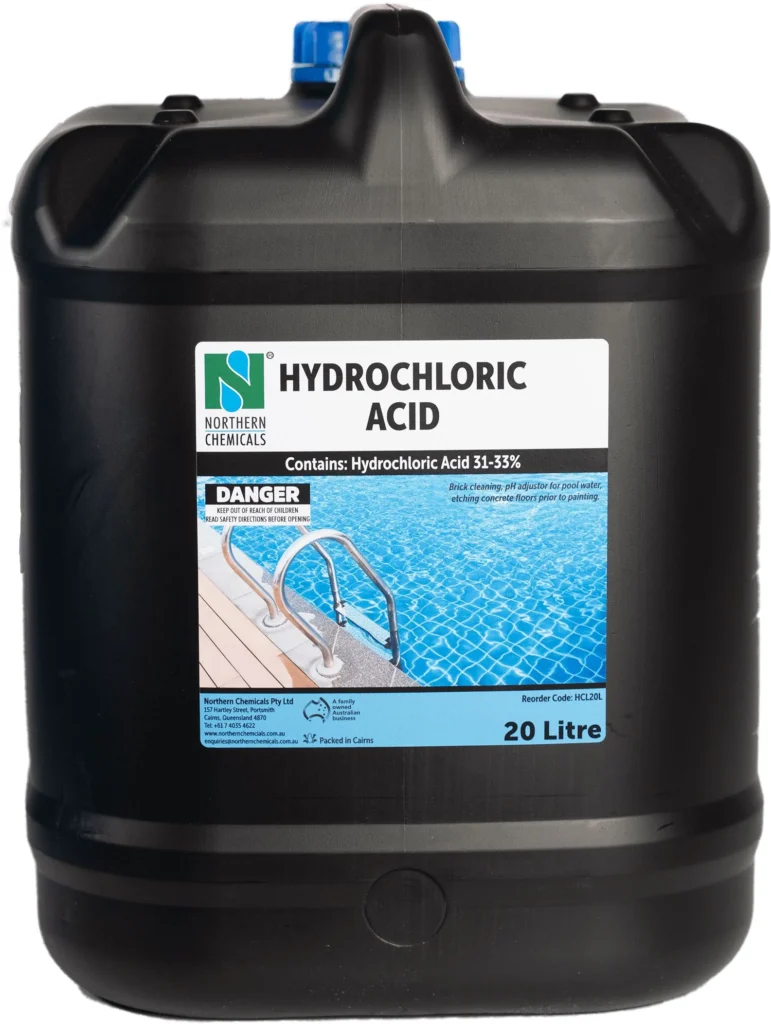
One of the most commonly used acids for severe clogs. It aggressively breaks down proteins and grease and is often applied to blocked toilets and sewer lines. It’s highly corrosive, so plumbers wear gloves, face shields and protective clothing, and it’s never mixed with other chemicals.

    Sulfuric Acid
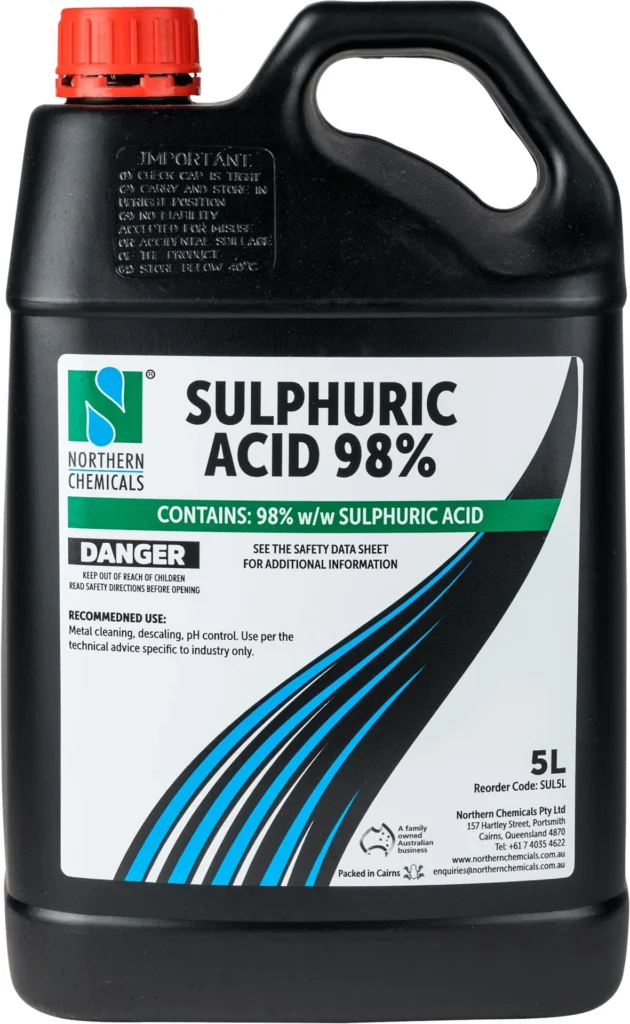
    A heavy-duty option known for the heat it generates as it works. It dehydrates and oxidises the blockage into a sludgy material that flushes away, and is commonly used on bathroom and kitchen sink blockages. It can react violently with water, so it’s strictly for trained professionals.

    Phosphoric Acid
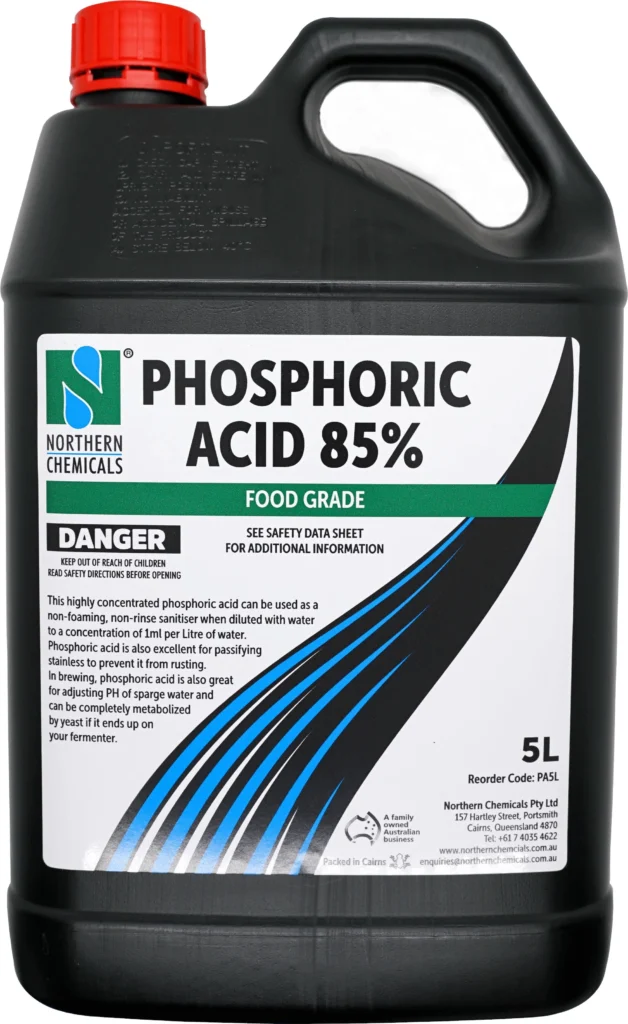
    A gentler acid used more for maintenance than major clogs. It dissolves minor scale build-up and helps prevent future blockages, making it useful in hard-water homes. It still requires eye and skin protection but is less hazardous overall.

    Acid Comparison: Which One Plumbers Use and When

    Acid Strength Best for Pipe-safe? DIY?
    Hydrochloric (muriatic) Very strong Severe clogs, toilets, sewer lines Risky on older PVC/copper Professional only
    Sulfuric Very strong (heat-generating) Tough kitchen & bathroom sink clogs Risky, reacts violently with water Professional only
    Phosphoric Mild Scale build-up & maintenance in hard-water homes Gentler on pipes Care still needed

    What Happens When Acid Meets a Blocked Drain

    When acid is poured into a blocked drain, it initiates a chemical reaction that releases heat and gas. These reactions help break down hair, soap scum, and food waste, converting them into a form that can be flushed away with water. The acidโ€™s effectiveness depends on the material it reacts with and how long it is left to work.

    After the reaction, plumbers flush the system with plenty of water to clear out any remaining acid and loosened debris.

    Why Acid Use Should Be Left to Professionals

    While it might be tempting to try acid-based drain cleaners yourself, the risks outweigh the benefits. Improper use can cause:

    • Burns to skin and eyes
    • Damage to pipes, especially older
    • PVC or copper systems, sometimes bad enough to cause a burst pipe
    • Dangerous chemical reactions if mixed with other cleaners
    • Air-quality issues from toxic fumes in an enclosed bathroom or laundry

    Professional plumbers are trained to assess whether acid is even necessary and how to apply it safely. At Oceanside Services, we handle blocked drains, sewer & stormwater issues and emergency plumbing across the Gold Coast and surrounding regions, 24/7, 365 days a year.

    Safer Alternatives to Acidic Cleaners

    Not all clogs need an acid fix. Here are some safer methods used to clear and maintain drains:

    • Plunging: Works well for simple toilet and sink clogs
    • Drain Snakes: Great for reaching deep blockages
    • Hydro Jetting: A high-pressure water blast that clears out grease, tree roots, and debris
    • Natural Maintenance: Baking soda and vinegar flushes help prevent build-up

    For ongoing issues, our team can also inspect your pipes using advanced leak detection equipment to rule out more serious underlying causes.

    Know When to Call a Plumber

    Acid-based drain cleaners are a last resort, best left to experienced plumbers who know exactly when and how to use them safely. For most blockages there’s a safer, gentler fix that won’t risk your pipes or your health.

    Dealing with a stubborn drain, strange smells or slow water flow? Contact the expert team at Oceanside Services for fast, reliable blocked drain and plumbing help across the Gold Coast, without the damage or risk of DIY chemicals. Call 07 5520 7100, any time, day or night.

    Frequently Asked Questions

    Can I use acid to unclog my own drain?

    It’s strongly discouraged. Acid drain cleaners are highly corrosive and can burn skin and eyes, give off toxic fumes, and damage pipes. Trained plumbers know when acid is appropriate, what concentration to use, and how to apply and flush it safely.

    Will acid damage my pipes?

    It can. Strong acids like hydrochloric and sulfuric can degrade older PVC and copper pipes, especially with repeated use, sometimes leading to leaks or a burst pipe. A plumber assesses your pipe material before deciding whether acid is safe.

    What’s the safest way to clear a blocked drain?

    For everyday clogs, plunging or a drain snake is safest. For tough or recurring blockages, hydro jetting uses high-pressure water to clear grease, debris and tree roots without harsh chemicals, a safer option than acid for stubborn drains.

    Does baking soda and vinegar actually work?

    For light build-up and ongoing maintenance, yes. It helps keep drains fresh and slows build-up. It generally won’t shift a fully blocked pipe, but it’s a safe, regular preventative.

    Why does my drain keep blocking up?

    Recurring blockages often point to a deeper cause, such as tree-root intrusion, a partial pipe collapse, grease build-up or a sewer/stormwater issue. A professional inspection using leak-detection equipment can help find the real cause so it’s fixed properly rather than cleared on repeat.

    Do you offer emergency blocked drain help on the Gold Coast?

    Yes. Oceanside Services provides 24/7 emergency plumbing across the Gold Coast and surrounding regions, 365 days a year. Call 07 5520 7100 for a blocked or overflowing drain.