



 5 Star Service




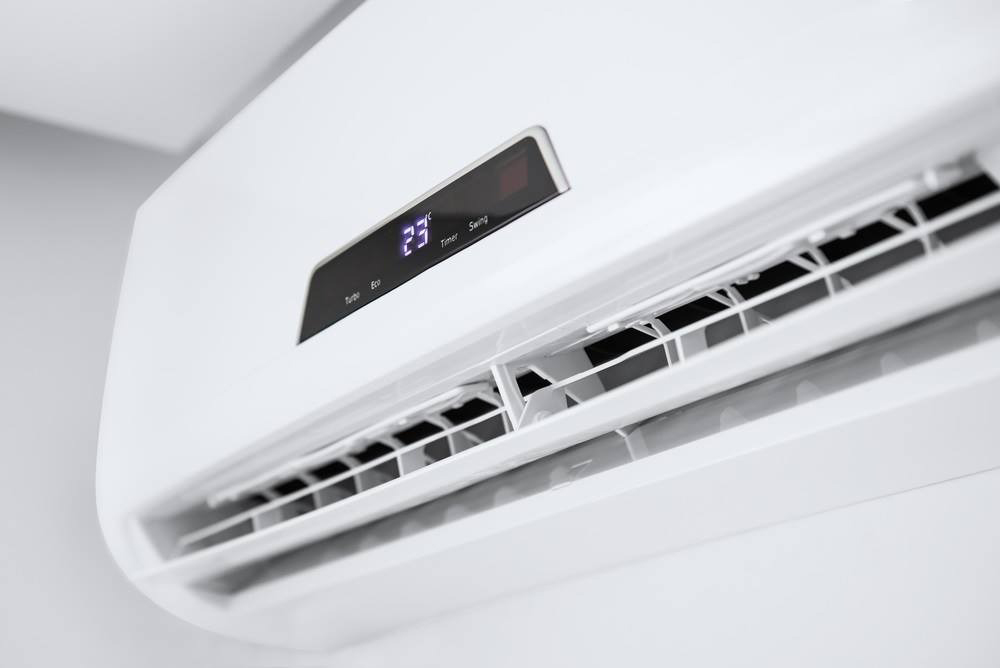
If you’re looking into air conditioning on the Gold Coast, one of the first things you will notice is how widely installation costs can vary from home to home. Two houses that look similar from the outside can receive very different quotes, which often leaves homeowners wondering what actually drives the price.
This guide breaks down the key decisions and site factors that influence aircon installation costs – from system size and layout to electrical and access considerations – helping you budget with clarity before choosing a system or installer.
Why There Is No Single “Standard” Installation Price
Air conditioning installation is rarely a one-size-fits-all service. While online pricing guides can be useful, they often miss the details that affect real-world installations. The final cost is shaped by how your home is built, how you live in it and what the system needs to perform reliably over time.
Installers need to consider how air will move through the space, where equipment can be safely mounted and how the system connects to existing electrical infrastructure. These details determine labour time, materials and whether upgrades are required.
Costs vary because of factors such as:
- Home layout and ceiling height
- Access to indoor and outdoor installation areas
- Distance between indoor and outdoor units
- Existing electrical capacity
How Home Size & Layout Influence Budgeting
The size of your home is not just about square metres. Open-plan living areas, high ceilings and large windows can all change how much cooling power is needed. A system that is too small may struggle to keep up, while one that is oversized can cycle inefficiently.
Layout also affects how many indoor units are required. A single open area may suit one system, while a home with multiple closed rooms may need several units or a ducted solution. These decisions influence equipment cost and installation complexity.
Layout-related cost considerations include:
- Number of rooms needing cooling
- Ceiling height and insulation quality
- Orientation and sun exposure
- Zoning needs for different living areas
System Size (kW) & Why It Matters Beyond Price
Kilowatts describe the cooling capacity of an air conditioner, not how much power it uses. Choosing the right kW size is about matching the system to the space so it can cool efficiently without strain.
Larger systems generally cost more to supply and install, but that does not mean bigger is better. An oversized unit may cool the space too quickly without removing enough humidity, while a smaller unit may run constantly and increase wear.
When budgeting, it helps to understand that kW size affects:
- Equipment cost
- Installation time
- Ongoing efficiency
- Comfort and humidity control
Split Systems vs Ducted Systems: Planning Differences That Affect Cost
Choosing between split system air conditioning and ducted systems is one of the biggest planning decisions homeowners face. Split systems suit targeted cooling and staged installations, while ducted systems offer whole-home coverage.
From a budgeting perspective, split systems allow flexibility. You can install units in stages and focus on high-use areas first. Ducted systems involve more planning upfront, including ceiling space, duct routing and zoning controls.
Planning differences that affect cost include:
- Number of indoor units or vents
- Roof space access and structure
- Control systems and zoning complexity
- Future expansion or changes
Electrical Capacity & Upgrade Considerations
Electrical infrastructure is a common source of unexpected costs. Older homes may not have enough spare capacity to support new air conditioning systems without upgrades. Even newer homes can require adjustments depending on system size and configuration.
Electricians assess switchboards, circuit availability and compliance requirements before installation. If upgrades are needed, addressing them early helps avoid delays and surprises.
Electrical factors that influence cost include:
- Switchboard condition and capacity
- Need for new circuits or safety devices
- Distance from power supply to unit location
- Compliance with current standards
Access, Installation Conditions & Labour Time
Access plays a bigger role in cost than many homeowners expect. Units installed on ground-level walls with clear access are quicker to install than those mounted on upper levels, tight balconies or difficult roof spaces.
Labour time increases when installers need special equipment, extra safety measures or longer setup times. These factors do not reflect poor planning but the reality of working safely and correctly.
Access-related cost influences include:
- Height of installation location
- Roof access and ceiling clearance
- Landscaping or obstacles around the home
- Safety requirements for working at height
Humidity, Drainage & Long-Term Performance Planning
Coastal humidity affects how air conditioners operate and how they should be installed. Systems remove moisture from the air, which means condensate drainage must be planned carefully to avoid water issues over time.
Poor drainage design can lead to leaks, staining or system faults, which is why planning for moisture management is part of responsible installation. This aspect is often overlooked when homeowners focus only on upfront pricing.
Humidity-related planning considerations include:
- Drain line routing and fall
- Protection against blockages
- Location of discharge points
- Long-term reliability in damp conditions
Energy Use: Understanding kW vs kWh for Smarter Budgeting
While kW affects installation cost, kWh relates to how much electricity the system uses over time. A well-sized system that runs efficiently can be more economical than a cheaper unit that struggles to perform.
Homeowners budgeting for air conditioning installation on the Gold Coast should consider both upfront and ongoing costs. Efficient systems may cost more initially but can balance out over their lifespan.
Energy budgeting is influenced by:
- Correct system sizing
- Usage habits and thermostat settings
- Insulation and airflow
- Maintenance and servicing
Avoiding Common Cost Surprises
Many cost surprises happen because certain factors are not discussed early. Clear communication during the quoting stage helps homeowners budget accurately and avoid frustration later.
Asking the right questions allows you to understand what is included and what could change.
Common surprises to plan for include:
- Electrical upgrades not initially considered
- Drainage changes due to site conditions
- Access challenges discovered on installation day
- Additional labour for non-standard layouts
We’ve Got You Covered for Air Conditioning on the Gold Coast
At Oceanside Services, we help Gold Coast homeowners plan air conditioning projects with clarity and confidence. Local housing styles, humidity and electrical requirements all influence how systems should be installed and budgeted, especially when balancing comfort with long-term efficiency. If you are weighing options and want guidance, visit our website and contact our team.
Frequently Asked Questions
Why do air conditioning quotes vary so much between homes?
No two homes are exactly the same. Installation costs change based on layout, ceiling height, access, electrical capacity and the type of system being installed. Even similar-looking houses can require very different labour, materials or upgrades.
Is it cheaper to install a smaller air conditioner to save money?
Not always. A system that’s too small may struggle to cool the space, run constantly and wear out faster. Correct sizing helps control humidity, improves comfort and can reduce long-term running and maintenance costs.
Do older Gold Coast homes cost more to install air conditioning in?
They can. Older homes are more likely to need electrical upgrades, new circuits or switchboard changes to meet current standards. Access to roof space and wall cavities can also affect labour time.
What costs are often overlooked when budgeting for air conditioning?
Electrical upgrades, drainage requirements and access challenges are commonly missed early on. These aren’t add-ons for convenience, they’re part of installing a system that operates safely and reliably in Gold Coast conditions.