



 5 Star Service




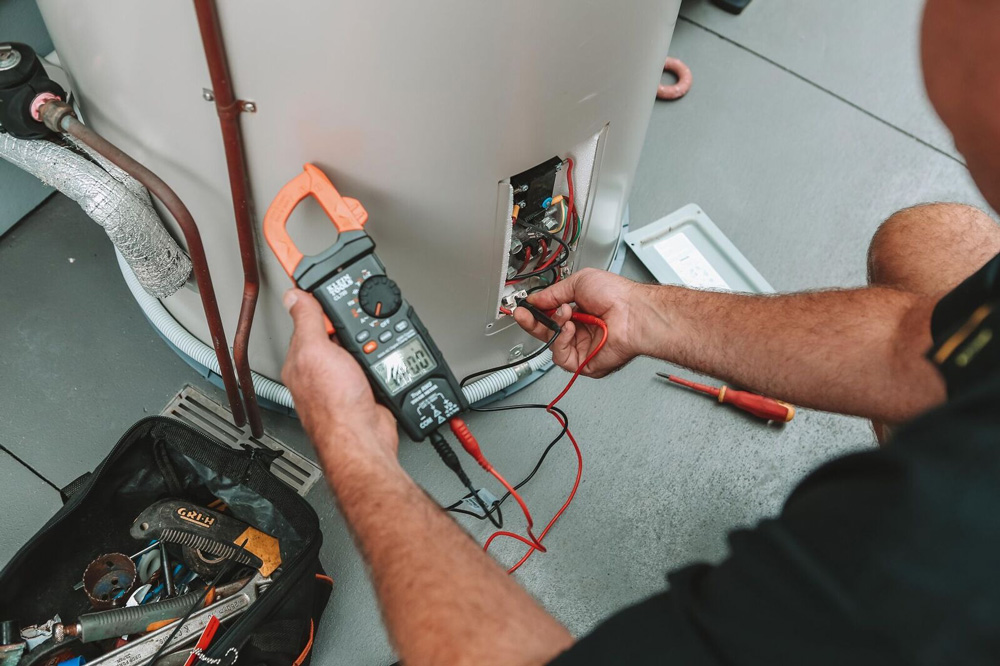
Hot water is one of those modern comforts that most of us take for granted—until it disappears. The reality is that hot water systems don’t usually break down overnight. Instead, they often give off warning signs that something isn’t right.
Knowing how to recognise these signs can help you decide whether a quick repair will keep your system running or whether it’s time to invest in a full replacement. This blog will walk you through the most common issues homeowners face, when a repair may be enough, when replacement is the smarter choice, and why calling in a professional plumber is always the safest option.
1. Inconsistent or Lukewarm Water
One of the most obvious signs of trouble is water that refuses to heat properly. You may notice that your morning shower starts off warm but quickly turns cold, or that the water never reaches the temperature you need.
This problem can stem from several causes:
- A faulty thermostat that isn’t regulating the temperature correctly
- A failing heating element inside the tank
- Sediment buildup that reduces efficiency
In some cases, these issues can be repaired, especially if your system is only a few years old. But if your hot water system has been around for a decade or more, recurring temperature problems often signal that replacement is the smarter choice.
2. Strange Noises
A healthy hot water system should run quietly. If you start hearing popping, banging, or rumbling sounds whenever the system is heating water, it’s a sign that something is wrong.
The most common cause is sediment buildup at the bottom of the tank. Over time, minerals from the water settle inside, creating a hard layer that forces the system to work harder to heat water. This not only shortens its lifespan but also drives up your energy bills.
Here’s what strange noises may indicate:
- Popping or crackling: Excessive sediment heating up and releasing steam
- Banging or knocking: Water trapped under sediment is trying to escape
- Rumbling: Pressure changes caused by sediment layers moving inside the tank
While flushing the tank may temporarily quiet these noises, systems that regularly make a racket often need replacement, especially if they’re older.
3. Leaks Around the Tank
Water pooling around the base of your hot water system should never be ignored. Even a small leak can quickly escalate into major damage, not only to the system itself but also to your home.
Leaks can point to:
- Loose or damaged fittings
- A faulty temperature and pressure relief valve
- Corrosion inside the tank
If the leak is coming from a valve or pipe, repair may be possible. But if the tank itself is corroding and letting water escape, patching it effectively is impossible. In those cases, replacement is the only option.
4. Rusty or Discoloured Water
Turning on the hot tap and seeing rusty, brown, or cloudy water is another red flag. This usually means there’s corrosion inside the tank, and rust is finding its way into your water supply.
This issue is concerning for two reasons:
- It often signals that your tank is deteriorating from the inside, which will eventually lead to leaks.
- Rusty water can stain your sinks, showers, and laundry, creating extra cleaning headaches.
If your system is relatively new, the problem may be confined to the pipes and could be fixed. But when rust comes from inside an older tank, it’s usually a sign that replacement is due.
5. Age of the System
Even the best-maintained hot water systems have a natural lifespan. Most last between 8 and 12 years, depending on the model, maintenance, and water quality. Once a system is approaching or exceeding that age, it’s wise to start preparing for replacement, even if it’s still working.
Here are some key points to consider about age:
- Systems under 5 years old are usually repairable when issues pop up.
- Systems between 6 and 10 years may be worth repairing if the problem is minor.
- Systems over 10 years often cost more in repairs than they’re worth.
Rather than investing in a system that will continue to break down, replacing it with a new, energy-efficient model can save money in the long run.
6. Frequent Repairs
Another clear sign that your hot water system may need replacing is if it feels like you’re constantly calling for repairs. Occasional maintenance is normal, but if you’ve had to fix different components several times within a year or two, the system is probably at the end of its life.
Think of it this way:
- A one-off repair is often worthwhile.
- Two or three repairs within a short period can signal deeper problems.
- Regular breakdowns quickly add up to more than the cost of a new system.
Instead of continuing to patch things up, replacement can save both money and stress.
Repair or Replace?
So how do you decide whether repair or replacement is the better option? A good rule of thumb is to weigh the cost of repair against the cost of a new system.
- Choose repair when:
- The system is under 7 years oldThe issue is small, like a faulty thermostat or valve
- Repairs are significantly cheaper than replacement
- Choose replacement when:
- The tank is leaking or corrodedThe system is older than 10 yearsRepairs cost half as much (or more) as a new system
- You’ve had multiple breakdowns in a short time
By looking at the bigger picture, you can avoid investing money in a system that will not last long.
Stay Comfortable with Reliable Hot Water on the Gold Coast
Your hot water system is one of the hardest-working appliances in your home. When it starts showing signs of age, inefficiency, or outright failure, it pays to act quickly. Small issues like inconsistent water temperature or noisy operation can sometimes be fixed with simple repairs. But leaks, rust, frequent breakdowns, or an ageing system usually mean replacement is the better long-term solution.
The key is not to ignore the signs. By paying attention and calling an expert when problems arise, you’ll prevent cold showers, unexpected breakdowns, and costly emergencies. Get in touch with our team at Oceanside Services to learn more.