


 5 Star Service




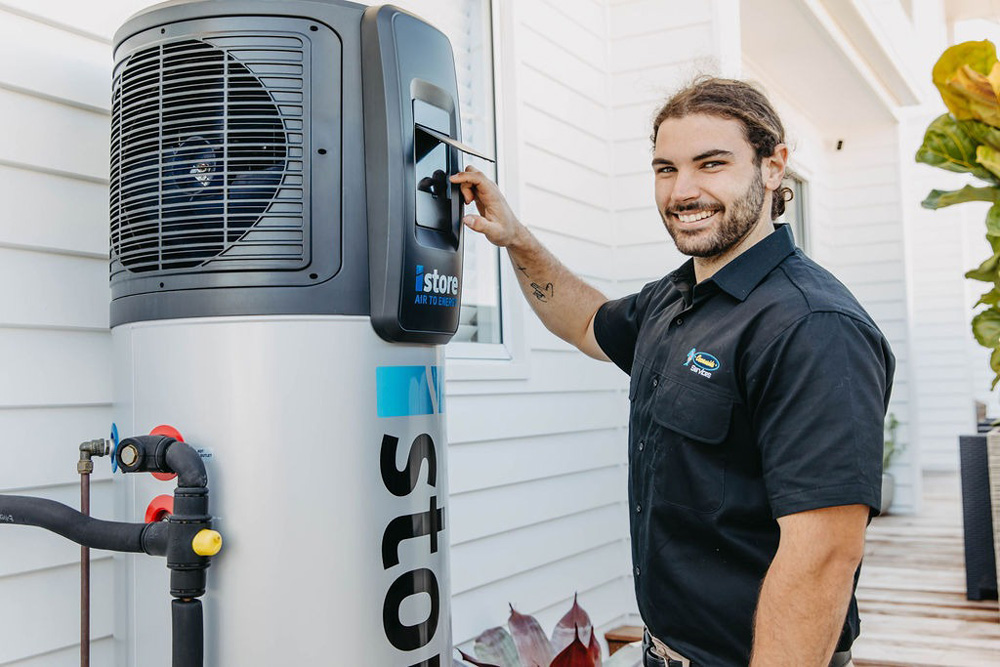
When your morning shower suddenly runs cold, it’s more than just an unwelcome wake-up call—it’s a sign your hot water system may need attention. For homeowners, renters and property managers, maintaining a hot water system isn’t just about staying comfortable. It’s a practical step to ensure energy efficiency, prevent breakdowns and avoid unexpected repair costs. Whether you rely on an electric storage tank, a gas unit, or a solar hot water system, scheduled maintenance plays a key role in keeping everything working as it should.
This guide outlines essential care steps to help extend the life of your hot water system without lifting a tool yourself. It’s all about proactive upkeep and calling on a licensed plumber locals trust.
Schedule Regular System Inspections
One of the simplest ways to avoid major system failures is through regular professional inspections. This preventative measure can help catch issues before they snowball into more expensive problems.
Key inspection points a licensed plumber will assess:
- Condition of the storage tank or panels in a solar hot water system.
- Integrity of pipework and fittings.
- Any signs of corrosion, rust or leakage
- Proper operation of thermostats and temperature settings.
Having a plumber inspect your hot water system annually—especially systems exposed to harsh weather or older than five years—can give you peace of mind and save on future repair costs.
Test The Temperature & Pressure Relief Valve
All hot water systems have a Temperature and Pressure Relief (TPR) valve to release excess pressure and prevent tank rupture. This critical safety feature should be tested by a qualified professional at least twice a year.
What plumbers will check:
- Proper operation of the TPR valve.
- Whether the valve discharges water during testing.
- Signs of blockages or corrosion around the valve.
- Pressure irregularities that could impact system safety.
A malfunctioning valve poses a safety hazard, especially in high-pressure systems or those installed in tight or enclosed spaces.
Flush The Tank To Remove Sediment
Over time, mineral deposits and sediment build-up can be collected at the bottom of a storage tank. This can reduce the system’s efficiency and cause overheating or system damage.
Benefits of professional tank flushing:
- Improves heating efficiency and reduces energy consumption.
- Removes sludge that may clog pipes or valves.
- Prevents unpleasant odours or discoloured water.
- Prolongs the tank’s structural integrity.
This process is particularly important in areas with hard water and is highly recommended for hot water systems that rely on ground or bore water sources.
Inspect & Replace The Anode Rod
The sacrificial anode rod is an often-overlooked component in storage systems. Its job is to attract corrosion and protect the tank’s inner walls from rust.
Signs it may need replacing:
- Discoloured water.
- Strange metallic smells.
- Reduced water quality from your taps.
- Rust or moisture around the tank base.
Replacing the anode rod every 3–5 years, or as a plumber recommends, can double the lifespan of your storage system.
Check For Leaks & Drips
Even the smallest leak in your hot water system can signal a deeper issue developing out of sight. Whether it’s a loose fitting, a faulty valve, or early-stage corrosion inside the tank, these minor faults can escalate if they’re not promptly addressed. Left unchecked, what starts as a slow drip can lead to extensive water damage, structural issues or mould growth—particularly in concealed or enclosed areas like cupboards or under-house installations.
What to watch out for:
- Pooling water beneath the tank, valves or visible pipework.
- Damp patches or water stains on nearby walls or flooring.
- An unexplained increase in water bills indicates a hidden leak.
- Dripping, hissing or gurgling sounds coming from the system.
Having a licensed plumber conduct a leak inspection ensures any underlying problems are accurately diagnosed and professionally resolved. They’ll assess the fittings, pipework, and tank integrity and recommend a long-term fix—a simple seal replacement or a more comprehensive system repair.
Adjust The Thermostat Setting
Setting your hot water system’s thermostat too high increases energy use and speeds up wear and tear. For most Australian households, a temperature of 60°C is recommended for storage systems to prevent Legionella bacteria, while instantaneous systems can be safely set lower.
Benefits of proper thermostat adjustment:
- Reduces energy costs.
- Prevents scalding risk.
- Prolongs heating element life.
- Avoids unnecessary thermal expansion and pressure issues.
Never adjust the thermostat yourself—always engage a plumber or hot water technician to ensure compliance with safety codes.
Insulate The Tank & Pipes
Loss of heat from uninsulated tanks and exposed pipes can reduce system performance, especially during cooler months or overnight. This causes the system to work harder than necessary, increasing wear.
Insulation advantages:
- Maintains consistent water temperature.
- Reduces heat-up time and standby losses.
- Protects exposed pipework from condensation or freezing.
- Improves overall energy efficiency.
Pipe lagging and insulated jackets for tanks are cost-effective solutions when installed by a licensed tradesperson.
Book A Professional Hot Water System Service
While visual checks are useful, nothing beats a scheduled service from a professional plumber familiar with solar hot water systems on the Gold Coast and conventional models. A complete maintenance check includes operational testing, safety inspections, and component servicing to ensure everything runs as it should.
A professional service might include:
- Testing the element and thermostat performance.
- Cleaning or replacing filters and strainers.
- Inspecting valves and gauges for accurate readings.
- Checking the electrical or gas connections for compliance.
This is especially important for solar hot water systems, which may require additional maintenance for collectors, pumps, or backup heaters. Regular service ensures optimal output and return on investment for solar systems.
Ready To Extend The Life Of Your Hot Water System?
Taking care of your hot water system isn’t just about avoiding cold showers—it’s about protecting your home’s plumbing, saving on energy bills, and maximising the system’s lifespan. Whether it’s flushing the tank, inspecting valves, or booking annual check-ups, every step contributes to a smoother, more reliable experience.
At Oceanside Services, we help homeowners and property managers get the most from their hot water Gold Coast systems, including solar hot water units. If you want to make sure your system’s running efficiently, get in touch via our contact page or give us a call to book a consultation with a trusted plumber Gold Coast locals count on. Whether you’re maintaining or upgrading, we’re here to help.