



 5 Star Service




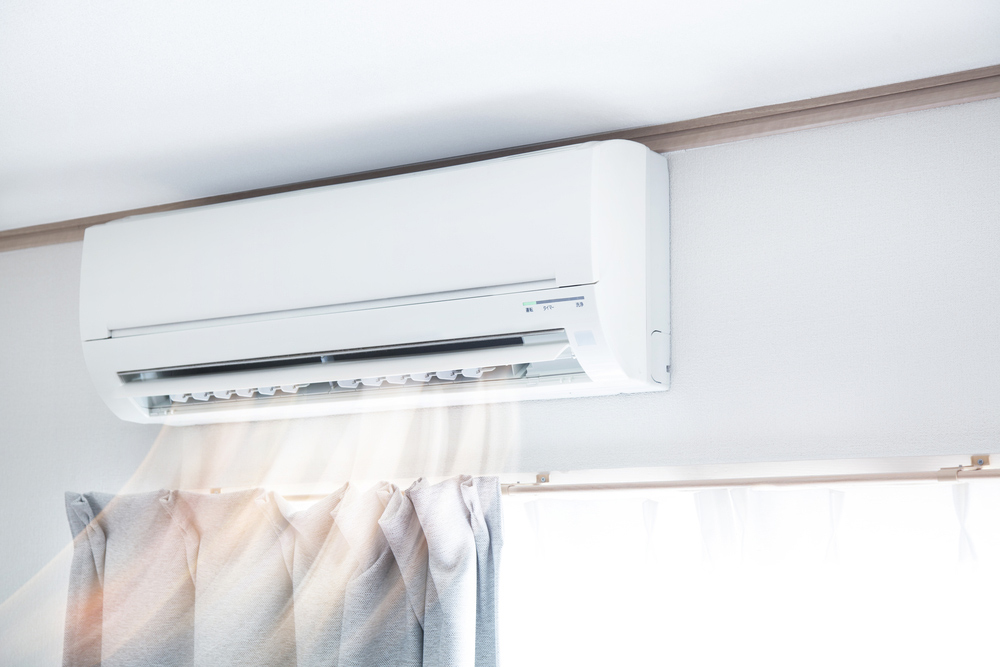
Most people switch on their air conditioner without thinking much about what it takes to power it. But when the electricity bill arrives, the numbers tell a different story. If you’ve ever wondered why your energy usage spikes during summer, understanding the difference between kW and kWh can make a huge difference.
These two terms hold the key to managing your cooling expenses, especially when it comes to air conditioning on the Gold Coast, where long, humid periods often mean running your system more frequently. Knowing the difference between power and energy helps you select the right unit, use it more efficiently and keep running costs under control.
It also makes it easier to compare models, understand the impact of size and consumption and identify when it may be time for maintenance or upgrades. Below, we break down how these measurements work and how they influence real-life air conditioning usage.
Understanding Power Ratings in Air Conditioning
Kilowatts (kW) measure the cooling or heating capacity of an air conditioner. It describes how powerful the unit is and how effectively it can control the temperature of the room or space.
A system with a higher kW rating moves more heat in or out of a room each hour. That makes power rating essential when choosing the correct unit for your home or workplace.
A typical power rating affects:
- How quickly the room reaches the desired temperature
- How well the system performs during extreme weather
- Whether the air conditioner struggles, overworks or cycles too often
Selecting the right capacity is crucial for efficient performance. Oversized units cool too quickly and waste energy, while undersized units run harder for longer, increasing strain and cost.
Why Energy Consumption Matters
Kilowatt-hours (kWh) represent how much energy an air conditioner uses over time. It’s what you pay for on your electricity bill. While kW describes power, kWh explains actual consumption.
Higher consumption usually comes from:
- Running the unit for long periods
- Heavy loads caused by heat & humidity
- Poor insulation or sealed-off airflow
- A system in need of servicing
Understanding kWh helps you track usage patterns and make cost-saving adjustments.
kW vs kWh: How They Work Together
Although they sound similar, kW and kWh measure different things. Combined, they give a clear picture of how much energy your system uses and how efficient it is.
Here’s how they relate:
- kW = the size & power level of the air conditioner
- kWh = total energy used over time
- Energy cost = time (hours) × power (kW) × electricity rate
This makes it easy to see how a larger, more powerful unit may use more energy if run for long periods, but may actually cost less if it cools a room faster and cycles efficiently.
Choosing the Right Size Air Conditioner
Choosing the correct air conditioner size reduces energy use and extends the life of the system. When it comes to air conditioning installation on the Gold Coast, the climate often requires systems that can handle humidity and long cooling periods, but size still has to match the space.
Key considerations include:
- Room size & ceiling height
- Number of windows & direct sun exposure
- Insulation quality
- Expected usage patterns
Professionals assess these factors before recommending a suitable capacity, helping avoid costly mistakes and ensuring efficient performance.
How Usage Habits Affect Energy Costs
Behaviour plays a major role in how many kWh your system consumes. Even a highly efficient unit can run up bills if used poorly.
Common habits that increase energy use include:
- Setting the thermostat too low
- Running the system with windows or doors open
- Skipping maintenance
- Allowing filters to clog & restrict airflow
Small changes to daily usage can make a significant difference in overall energy consumption.
The Importance of Regular Air Conditioner Maintenance
A system that’s serviced regularly performs better, uses less energy and lasts longer. Many issues that increase kWh consumption — blocked filters, inefficient fans or faulty sensors — develop gradually and go unnoticed without routine maintenance.
Typical maintenance includes:
- Cleaning or replacing filters
- Checking gas levels and coils
- Assessing airflow and thermostat function
- Ensuring the outdoor unit is free of debris
Trusting a professional air conditioner service ensures the system will continue operating at its most efficient level, reducing unnecessary energy use.
Energy Efficiency & Long-Term Savings
Energy-efficient units consume less kWh for the same amount of cooling. They often have technology such as inverter systems, improved compressors and better airflow control.
Investing in efficiency can mean:
- Lower running costs
- More consistent temperature control
- Reduced strain on the system
- Longer equipment lifespan
It also makes upgrades worthwhile for households or businesses looking to reduce long-term expenses. Many systems now carry energy labels that help customers compare performance before buying.
Using kW & kWh to Calculate Running Costs
Calculating running costs gives you control over your electricity use. It shows exactly how much energy your unit consumes and helps identify when it’s costing more than it should.
The basic formula is: kWh used = kW rating × hours of operation
Then multiply by your electricity rate.
Understanding this allows you to:
- Estimate daily or monthly usage
- Compare running costs between units
- See the financial impact of adjusting thermostat settings
It also highlights when maintenance or replacement may be the best option.
We at Oceanside Services help households and businesses manage cooling costs by offering professional guidance, installation and servicing tailored to the climate conditions on the Gold Coast. Whether you need a new system, a maintenance check or advice on improving efficiency, our team can assist. Contact our team to book a service or request a quote today.
FAQ
What does kW mean on an air conditioner?
It refers to the cooling or heating output of the system. This indicates how powerful the unit is and how well it manages the temperature in a given space.
What does kWh mean on my electricity bill?
It is the measurement used to show how much energy you’ve consumed over time. Air conditioners add kWh to your bill based on how long they operate and how much power they use.
How can I calculate how much my air conditioner costs to run?
Multiply the system’s kW rating by the number of hours it runs, then multiply again by your electricity rate. This gives you the total cost.
Does a higher kW air conditioner mean higher electricity cost?
Not always. A bigger unit may consume more power, but if it cools the room faster and runs for shorter periods, it can be more efficient than a smaller one struggling to keep up.
How can I reduce my air conditioning energy costs?
Try:
- Setting the thermostat higher in summer
- Using blinds or curtains to block heat
- Maintaining clear airflow
- Keeping the filters & coils clean
- Booking regular aircon service appointments
These small steps can significantly reduce energy consumption.