



 5 Star Service




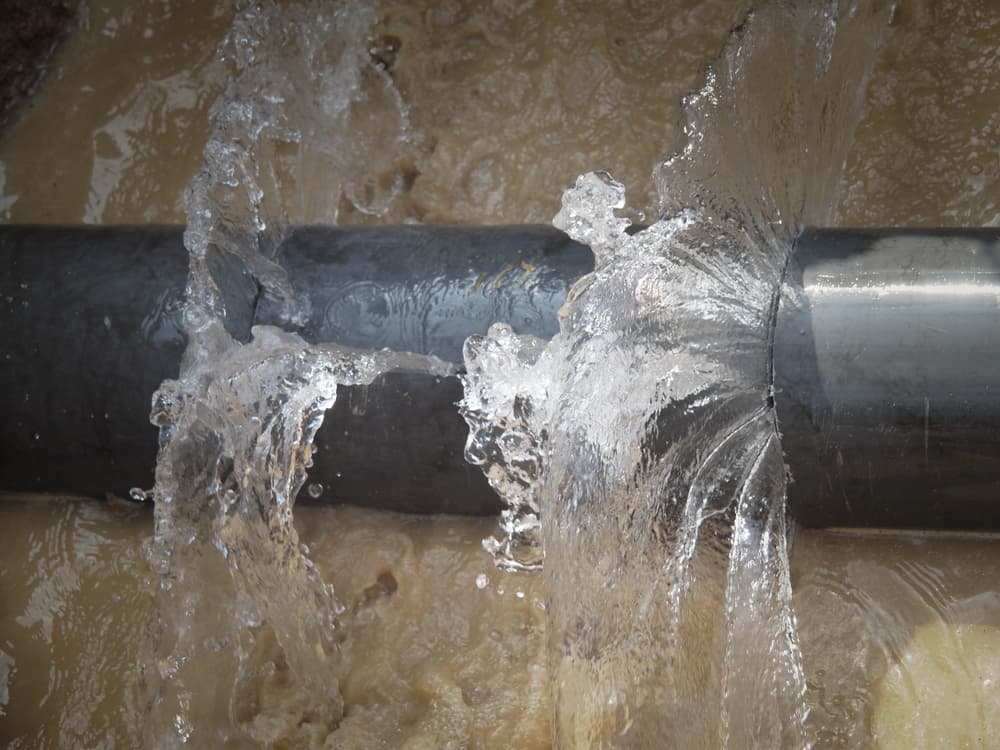
A burst pipe emergency can go from minor inconvenience to major property damage within minutes. If a pipe has just burst in your home, take a breath and focus on stopping the water first.
Fast action can help reduce water damage, electrical risks and repair costs while protecting flooring, walls and furniture from long-term issues. Ageing copper, flexi hose failures and sudden pressure changes can all contribute to plumbing emergencies, especially during storm season and heavy rainfall.
This guide covers what to do in the first ten minutes, how to spot the warning signs early and what happens after the immediate emergency is under control.
What To Do Right Now: A Burst Pipe Emergency Step-by-Step
When water is actively leaking into your home, every minute matters. The goal is to stop the water flow quickly, reduce safety risks and limit structural damage until a licensed plumber arrives.
Step 1 — Turn Off the Mains Water Supply
The first priority during a burst water pipe emergency is shutting off the mains water supply. Most homes have an isolation valve located near the front boundary, water meter or external wall.
Turning off the mains supply stops additional water from flooding the property and helps minimise damage.
Look for:
- A round or lever-style isolation valve
- Water meter box near the kerb
- External shut-off tap beside the home
Once located:
- Turn the valve clockwise
- Check taps inside the home
- Confirm water flow has stopped
If the valve is difficult to turn or damaged, avoid forcing it. A plumber can assist safely.
Step 2 — Switch Off Power at the Switchboard (Critical Safety Step)
Water and electricity create serious safety risks. If flooding is approaching power points, appliances or electrical wiring, switch off electricity at the main switchboard immediately.
Do not enter standing water if electrical hazards are present.
Electrical safety risks may include:
- Water near extension cords
- Flooded power outlets
- Wet electrical appliances
- Sparking switchboards
If access to the switchboard is unsafe, contact emergency services or your electricity provider
Step 3 — Contain the Water & Protect Your Home
Once water and power are controlled, focus on reducing further property damage. Even a small burst pipe can release hundreds of litres of water in a short period.
Move valuables away from affected areas and use towels, buckets or mops to contain water where possible. Helpful steps include:
- Lifting furniture off wet flooring
- Removing rugs & soft furnishings
- Opening windows for ventilation
- Using fans to assist drying
- Blocking water spread with towels
Mould growth can begin within 24 to 48 hours after water exposure, according to the Australian Building Codes Board (2021), which makes fast drying important.
Step 4 — Document Everything for Insurance
Before cleanup begins, take photos and videos of all visible damage. This documentation may help support a burst pipe insurance claim later.
Capture:
- Damaged walls & flooring
- Flooded rooms
- Leaking or burst pipe sections
- Water-stained ceilings
- Damaged appliances or furniture
Keep receipts for emergency repairs, accommodation or restoration work if required. According to the Insurance Council of Australia (2023), escape of liquid claims remain one of the most common household insurance issues across Australia.
Step 5 — Call a Licensed Gold Coast Emergency Plumber
Once the immediate risks are controlled, contact a licensed Gold Coast emergency plumber to locate and repair the damaged pipe safely. Burst pipe repairs may involve:
- Leak detection equipment
- Pipe isolation
- Copper pipe replacement
- PVC pipe repairs
- Flexi hose replacement
- Pipe relining for underground sections
Emergency plumbers can also assess hidden water damage and identify whether additional repairs are required.
Call (07) 5520 7100 for 24/7 emergency burst pipe response.
How to Tell If You Have a Burst Pipe (Warning Signs)
Not every burst pipe creates immediate flooding. Some leaks begin slowly behind walls, under floors or inside ceilings before becoming obvious.
Common signs of a burst pipe include:
- Sudden increase in water bills
- Damp patches on walls or ceilings
- Low water pressure throughout the home
- Hissing or dripping sounds inside walls
- Warm areas on flooring from hot water pipes
- Water meter movement when taps are off
- Peeling paint or bubbling plaster
- Mould or musty odours
- Foundation cracks or shifting surfaces
According to Sydney Water data published in 2022, hidden water leaks can waste thousands of litres of water annually if left untreated. For additional information about excess water bills and hidden leaks, review the dedicated burst pipe diagnosis guide available through Oceanside Services.
Common Causes of Burst Pipes
Several factors can contribute to a burst pipe emergency, especially in older homes or properties with ageing plumbing systems. Common causes include:
- Tree root intrusion into underground pipes
- Corrosion in ageing copper or galvanised pipes
- High water pressure damaging joins & fittings
- Flexi hose failures under sinks or basins
- Ground movement affecting buried pipework
- Poor-quality DIY plumbing installations
- Blockages causing pressure build-up
Flexi hose failures are one of the most common plumbing emergencies in Australian homes. CHOICE Australia reported in 2022 that damaged flexi hoses can release large volumes of water within minutes if they rupture unexpectedly.
Homes with older plumbing systems may also benefit from pipe relining or preventative inspections to identify weak sections before failure occurs. If you want the full picture, we’ve covered what causes pipes to burst in more detail, including a few widely believed myths that don’t hold up.
Burst Pipe Emergency vs Slow Leak: How to Tell the Difference
Understanding whether you’re dealing with a burst pipe emergency or a slow leak matters for both insurance and repair urgency. Sudden pipe failures typically require immediate action to reduce flooding and electrical hazards, while slower leaks may develop over weeks or months before becoming noticeable.
| Indicator | Burst Pipe Emergency | Slow Leak |
|---|---|---|
| Speed of water loss | Sudden, rapid, visible | Slow, often hidden |
| Water bill change | Dramatic spike overnight | Gradual rise over months |
| Sound | Loud hissing or rushing | Faint dripping or none |
| Visible damage | Flooding, soaked carpet | Damp patches, peeling paint |
| Required response | Immediate within 1 hour | Within 24-48 hours |
| Risk of structural damage | High | Moderate over time |
| Insurance category | Often sudden and accidental | Often excluded as gradual |
| Who to call | 24/7 emergency plumber | Licensed plumber |
How Much Does a Burst Pipe Emergency Cost?
Burst pipe repair costs vary depending on the location of the leak, accessibility, repair method and extent of water damage. After-hours emergency call-outs may also affect pricing.
Typical Australian industry ranges include:
| Service | Typical Cost Range (AUD) |
|---|---|
| Emergency call-out after-hours | $150 – $350 |
| Burst pipe diagnosis and isolation | $200 – $400 |
| Burst copper pipe repair | $400 – $900 |
| Burst flexi hose replacement | $150 – $300 |
| Pipe relining per metre | $400 – $700 |
| Small pipe replacement section | $800 – $2,500 |
| Water damage restoration | $1,000 – $10,000+ |
These are general Australian industry estimates only. Final pricing depends on property access, pipe location, repair complexity and after-hours requirements.
For a free upfront quote on burst pipe emergency repair on the Gold Coast, call (07) 5520 7100.
Will Insurance Cover a Burst Pipe Emergency?
Many home insurance policies may cover sudden and accidental water damage caused by a burst pipe. However, coverage often depends on the cause of the failure and whether the damage resulted from poor maintenance or gradual deterioration.
Insurance providers commonly assess:
- Whether the leak was sudden
- Maintenance history of the plumbing
- Age & condition of pipes
- Photographic evidence
- Plumber inspection reports
- Water damage restoration requirements
Gradual leaks, corrosion or neglected plumbing may not always be covered under standard policies.
Helpful steps during an insurance claim include:
- Photographing damage immediately
- Keeping receipts for emergency work
- Recording communication with insurers
- Requesting written plumber reports
For more information about the water leak insurance claim process, additional guidance is available through Oceanside Services.
How to Prevent a Burst Pipe Emergency
Preventative plumbing maintenance can help reduce the risk of unexpected pipe failures and expensive water damage. Preventative measures may include:
- Annual plumbing inspections
- Replacing flexi hoses every 5 to 10 years
- Installing pressure reduction valves
- Monitoring water bills for unusual increases
- Scheduling leak detection inspections
- Relining ageing underground pipes
Older homes with original plumbing systems may be more vulnerable to hidden corrosion and weakened joins. Professional leak detection services use thermal imaging, moisture sensors and acoustic technology to identify hidden problems before they escalate into emergencies.
According to the Australian Bureau of Statistics (2021), water damage remains one of the more common maintenance issues affecting residential properties nationally. Regular plumbing maintenance can also help identify small leaks before they develop into major structural damage or mould problems.
After the Emergency: What Happens Next
Once the mains are off and the water is contained, the repair itself isn’t a DIY job. Locating the failure point, isolating the affected section and replacing or relining it needs a licensed plumber, and most insurers want a written plumber’s report before they’ll settle a claim. Our burst pipe repair Gold Coast team handles diagnosis through to repair.
Keep your photos, receipts and the plumber’s report together in one place. The households that get through a burst pipe cheaply are almost always the ones that shut the water off fast and documented everything before cleanup started.
Frequently Asked Questions
How do I stop water from a burst pipe immediately?
Turn off the mains water supply as quickly as possible. Most homes have an isolation valve near the water meter or external boundary. Once the water is off, contain visible flooding and switch off electricity if water is near electrical systems.
Should I call an emergency plumber or wait until business hours?
If water is actively leaking or causing property damage, contact an emergency plumber immediately. Delaying repairs can increase water damage, mould growth and structural risks inside the home.
Will my home insurance cover a burst pipe on the Gold Coast?
Many policies cover sudden and accidental burst pipe damage. Coverage varies between insurers and may exclude gradual leaks or poor maintenance. Photos and plumber reports usually assist during claims.
How long does it take to fix a burst pipe?
Simple burst pipe repairs may take one to three hours. Complex underground leaks or pipe relining projects can take longer depending on access, pipe material and water damage.
Can I temporarily fix a burst pipe myself before the plumber arrives?
Temporary repair tape or pipe clamps may slow water flow briefly, but they should not replace professional repairs. Turning off the mains supply remains the safest first step.
What’s the most common cause of burst pipes in Gold Coast homes?
Flexi hose failures, ageing copper pipes and high water pressure are among the more common causes of burst pipes in residential properties across the Gold Coast.
How can I prevent burst pipes from happening in the future?
Annual plumbing inspections, flexi hose replacement, leak detection services and water pressure management can all help reduce the risk of future plumbing emergencies.