



 5 Star Service




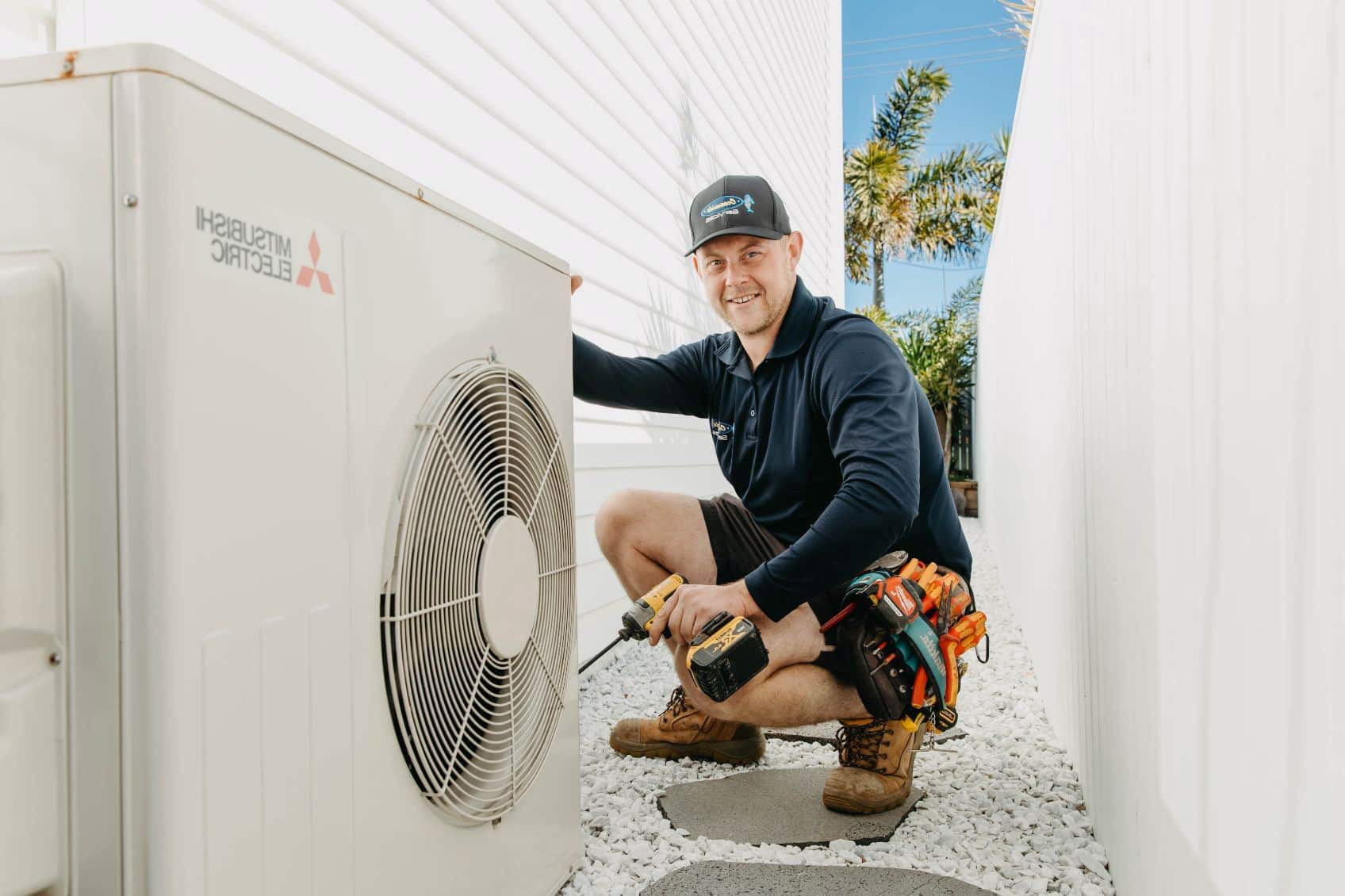
Ducted air conditioning is one of the most significant home upgrades you can make, and the price varies more than most people expect. If you’ve searched “air conditioning Gold Coast” trying to find a ballpark figure before calling anyone, you’re not alone. The honest answer is that ducted systems sit in a wide range, and understanding what drives that range is the most useful thing you can read before requesting a quote. This guide focuses specifically on ducted systems, covering typical cost ranges by home size, what moves the price up or down, how ducted compares with split systems on cost, and why a site assessment is the only reliable way to land on an accurate number.
How Home Size Shapes Your Ducted System Cost
The size of your home is the single biggest variable in any ducted air conditioning quote. A larger floor plan requires more outlets, more duct runs and a higher-capacity unit, all of which add to both supply and installation costs.
As a general guide, installed costs typically fall into these ranges:
- Small homes (up to 150 m²): roughly $7,000 to $10,000
- Medium homes (150 to 250 m²): roughly $10,000 to $15,000
- Large homes (250 to 350 m²+): roughly $15,000 to $25,000 or more
These figures reflect a standard installation with zoning and a reputable brand. They will shift based on the specific factors covered below.
The Role Of Outlet Numbers And Zoning
Every room that receives conditioned air needs a ceiling outlet, and every outlet adds cost. A four-bedroom home with a living area, kitchen, study and two bathrooms could easily require ten to fourteen outlets, depending on the layout and how the zones are grouped. Zoning lets you control which areas of the home are cooled or heated at any given time, which reduces running costs but adds to the upfront installation price.
Here is what outlet count and zoning decisions typically affect:
- The size and type of controller required
- The number of motorised zone dampers in the ductwork
- Total duct length and the complexity of the plenum layout
- Whether a single controller can manage all zones or a multi-zone system is needed
Single-Storey Vs Two-Storey Homes: Why It Matters
Installation complexity increases significantly when a home has two storeys. Routing ductwork between floors requires more labour, more materials and often more creative problem-solving around structural elements, staircases and insulation batts. Two-storey homes also tend to need higher-capacity systems because heat stratification means the upper floor demands more from the system, especially in the afternoon.
Relevant differences include:
- Additional installation time, which raises labour costs
- Potential need for return air ducting on both levels
- More difficult access for installers working in confined ceiling and wall cavities
- Higher likelihood of needing a larger-capacity indoor unit
What Ceiling Space Can Do To Your Quote
Access to ceiling cavities is something many homeowners never think about until the installer arrives. Tight roof pitches, concrete slab ceilings, bulk insulation and cross-bracing can all limit how easily ductwork can be routed and connected, adding labour time to the job. Some homes built on slabs have no ceiling cavity at all above certain rooms, which may require exposed duct runs or alternate routing strategies.
Common ceiling-space challenges that affect ducted air conditioning cost include:
- Low-pitch rooflines that restrict movement and duct placement
- Insulation that needs to be temporarily removed and reinstated
- Existing electrical cabling or plumbing that requires rerouting
- Fire-rated ceiling systems that demand specific duct penetration methods
Brand And System Specification Differences
Not all ducted systems are priced equally, and the brand you choose reflects more than just a name. Higher-tier brands typically offer quieter operation, more advanced inverter technology, better energy ratings and longer warranties, all of which factor into the supply cost. The specification of the indoor unit, outdoor unit and controller also varies. A basic reverse-cycle ducted system with a standard wall controller will cost less than a fully zoned system with a touchscreen controller and app connectivity.
Factors that differentiate brands and specs include:
- Star energy ratings and inverter technology efficiency
- Noise levels of both indoor and outdoor units
- Warranty length and what it covers (parts, labour, compressor)
- Smart home compatibility and controller options
Ducted Vs Split System Cost: A Realistic Comparison
If you are still weighing up whether ducted is the right choice financially, a direct comparison with split systems is worth understanding. A single split system for one room typically costs between $1,200 and $3,500 installed, depending on capacity and brand. For a whole home, running multiple split systems across every room can add up quickly. If you’re weighing up a single room instead, see our split system supply and installation cost breakdown.
The comparison points that most homeowners find useful are:
- Ducted has a higher upfront cost but delivers whole-home climate control from one system
- Multi-split systems can rival ducted in total cost once you factor in four or more indoor units
- Split systems are easier to stage (buy one now, add more later); ducted is typically an all-or-nothing investment
- Ducted maintains a cleaner aesthetic with no wall-mounted units visible in each room
What Does Ducted Air Conditioning Actually Cost To Run?
Running costs are often overlooked when budgeting for ducted air conditioning, but they matter over the life of the system. A larger, older or non-inverter ducted system can draw significantly more power than a modern inverter model, and that difference compounds across years of use.
Zoning helps considerably, because you only condition the areas of the home that are occupied. Running costs are influenced by:
- The energy star rating of the system installed
- How many zones are active at any given time
- The thermal performance of the home (insulation, glazing, orientation)
- Local climate conditions and how often the system runs at full capacity
Why A Site Assessment Is Essential Before Quoting
No online guide, including this one, can give you an accurate price for your specific home. The variables involved in ducted air conditioning installation, from ceiling access and structural layout to electrical capacity and existing ductwork, mean that meaningful quotes require a physical inspection. Several factors move the final price, as we cover in what affects the cost of air conditioning on the Gold Coast, sizing matters before you price anything, so start with what size air conditioning unit is right for your home.
A site assessment typically covers:
- Measuring the home’s floor plan and calculating the required system capacity
- Inspecting ceiling cavities for access, obstructions and duct routing options
- Reviewing the existing electrical switchboard for capacity to support the system
- Confirming zoning options and outlet placement based on the home’s layout
Get An Accurate Ducted Air Conditioning Quote
We at Oceanside Services provide in-home assessments for Gold Coast homeowners who want a clear, itemised quote before committing to anything. The Gold Coast’s climate means ducted air conditioning works hard for a significant part of the year, and getting the system specification right from the start avoids costly changes later. Our air conditioning Gold Coast team takes the guesswork out of sizing, zoning and brand selection by assessing your home’s layout and ceiling access before recommending anything. Call us, contact us online or book a site visit to get a quote that reflects your actual home, not a generic estimate.